test7771rx9wrvbp5
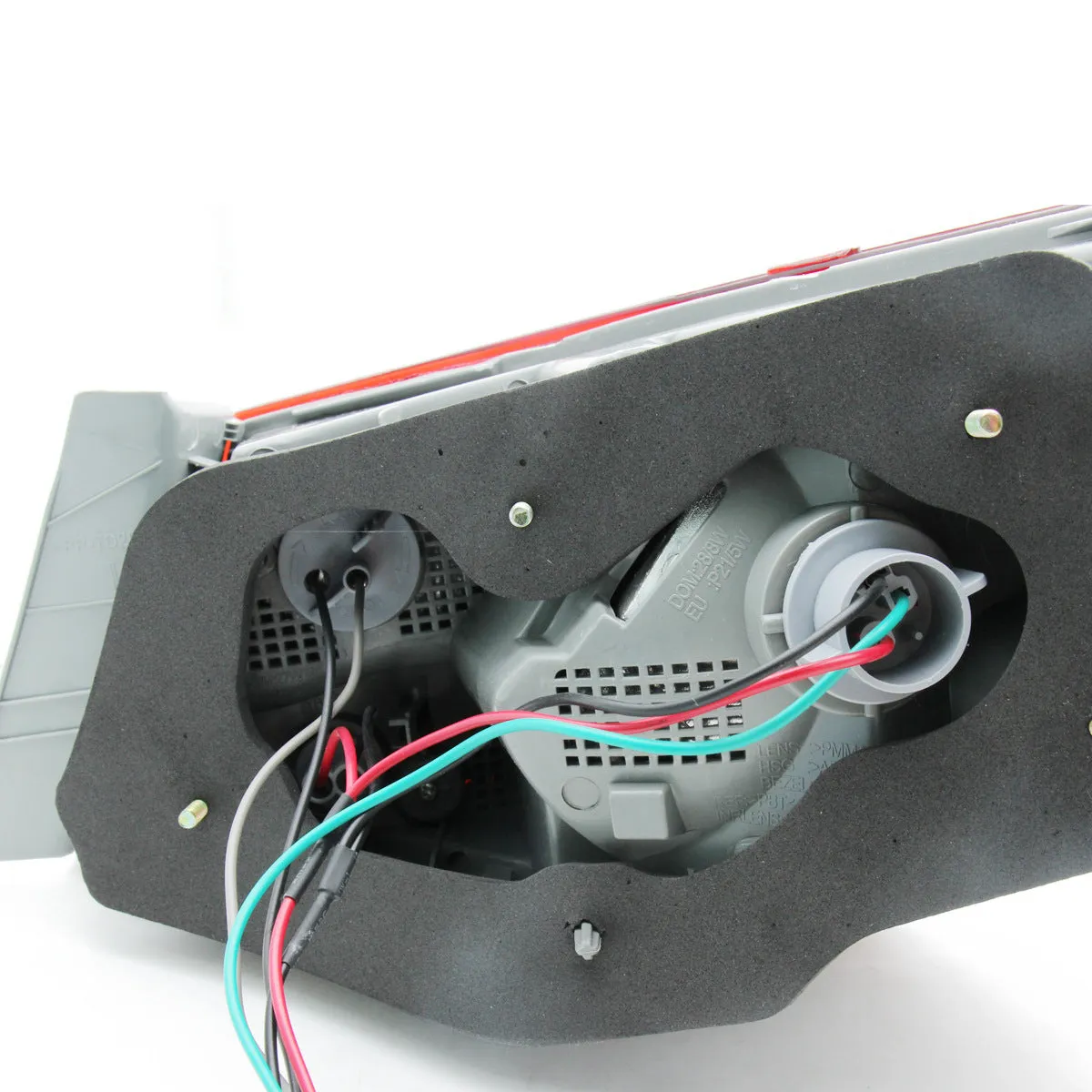
Hyundai Sonata 2011-2014 tail light outer half assembly with reverse connection protection and waterproof test, constructed from ABS plastic and aluminium, featuring a red LED light source rated for 50,000 hours lifetime and consuming 0.5W per unit.
Product details
Description
Hyundai Sonata Outer Tail Light Assembly: A Direct-Fit LED Replacement with Protection

This product is a specific replacement for the outer half of the tail light cluster on Hyundai Sonata vehicles produced between 2011 and 2014. It is designed as a complete unit to restore proper rear lighting function without requiring complex modification or separate bulb sourcing. The assembly integrates a red LED light source within a housing made from ABS plastic and aluminium, and it comes with integrated electronic safeguards. It is presented as a single, ready-to-install component for a straightforward repair or replacement process, matching the original vehicle specifications for a seamless fit.
Features and Construction

This tail light assembly is built to provide a functional and reliable lighting solution with several defined technical characteristics. The design prioritises a direct replacement fit and includes specific protection mechanisms.
Material and Build
The housing of the tail light is constructed using a combination of ABS plastic and aluminium, often referred to as ALU in the specifications. This material choice is common for automotive lighting components, balancing weight and structural integrity. The unit is a complete 'half assembly', meaning it replaces one entire outer section of the Sonata's two-part tail light cluster. No claims regarding material premiumness or superior durability beyond the stated construction are made.
Size and Practical Fit
The product's external dimensions are precisely 56mm in length, 34mm in width, and 17mm in depth. These measurements ensure it is designed to fit the specific cavity on the 2011-2014 Hyundai Sonata. As an assembly, it replaces the entire outer unit, which simplifies installation compared to replacing individual internal components. The fit is intended to be direct, aligning with the vehicle's existing mounting points and electrical connector.
Uses and Placement
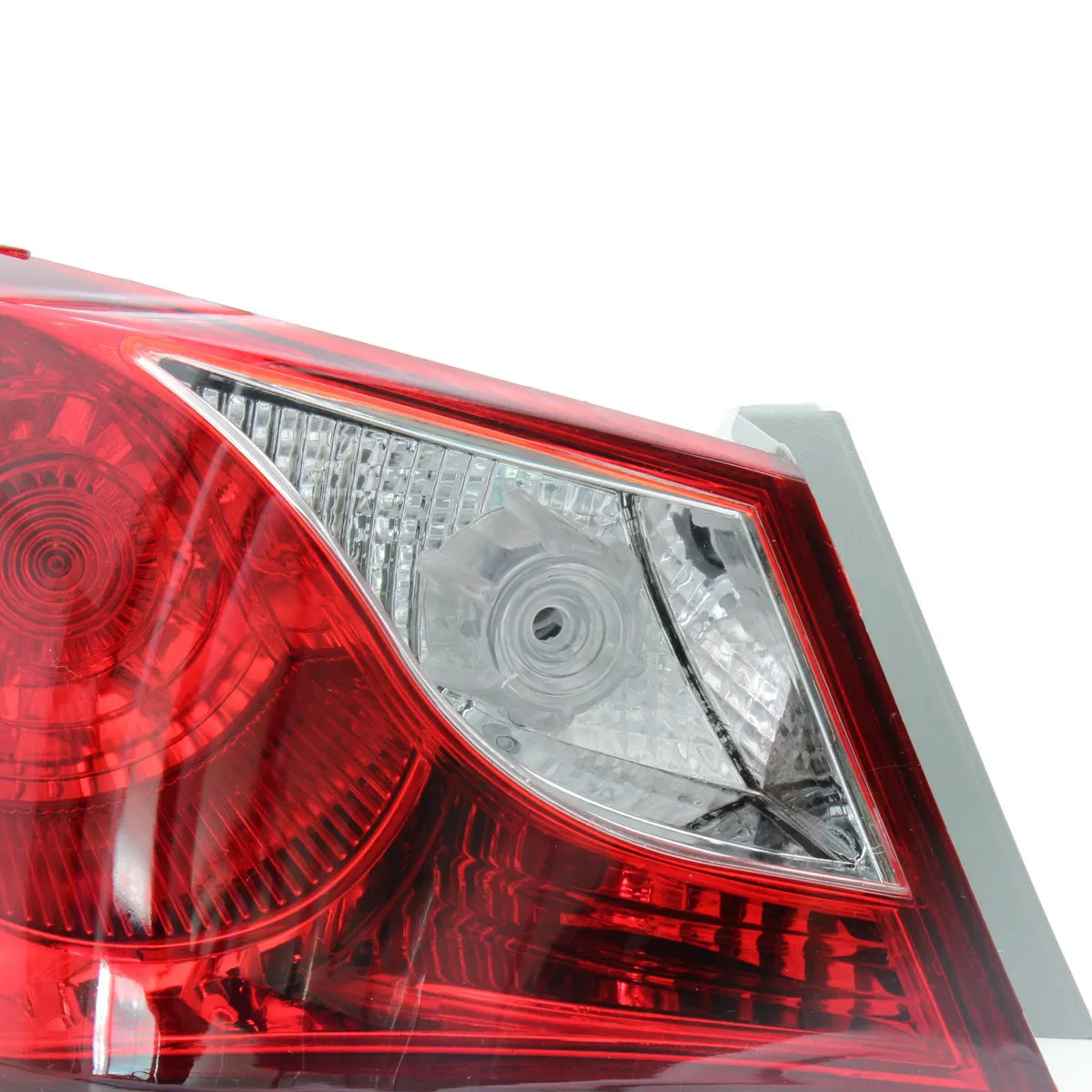
This component has a single, defined primary use: as a replacement part for a specific vehicle model. Its application is rooted in practicality and restoration of factory function.
Event or Professional Use
For professional mechanics or vehicle repair shops, this assembly offers a time-efficient solution. It eliminates the need to diagnose and replace individual bulbs or internal circuitry within a damaged tail light housing. The unit can be used to quickly rectify accident damage, wear-related failure, or water ingress issues on the specified Sonata models, returning the vehicle to road-legal condition.
Everyday Home Use
For the DIY vehicle owner, this product provides a manageable repair task. The direct-fit nature and inclusion of reverse connection protection reduce the complexity and risk of incorrect installation. It is suitable for a home garage scenario where the outer tail light on a 2011-2014 Hyundai Sonata is cracked, broken, or has failed internally, and the owner wishes to replace it as one complete unit.
Benefits and Buying Value
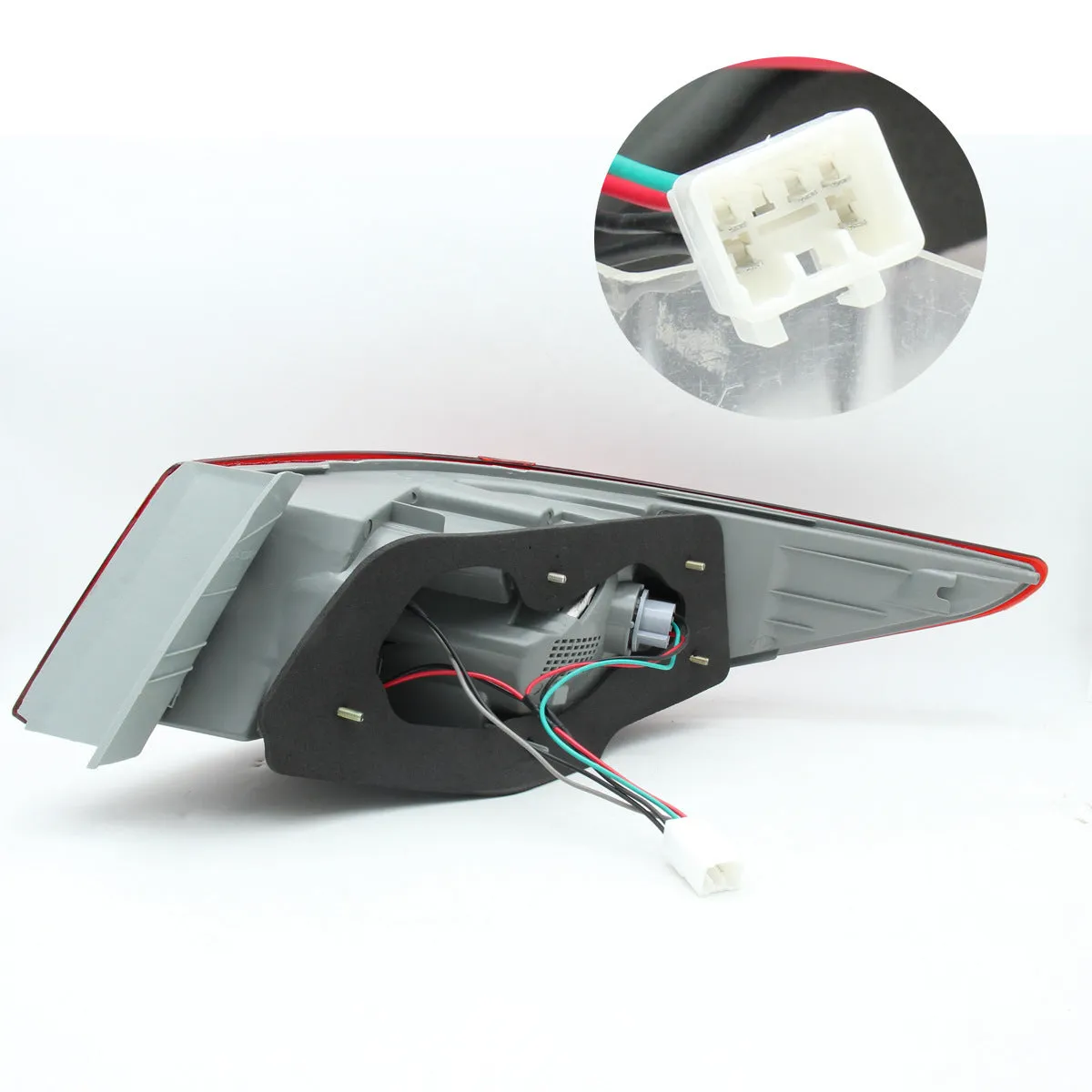
The value of this product lies in its specificity and integrated features, which address common concerns when replacing automotive lighting.
Reuse and Low Maintenance
The integrated LED light source is rated for a lifetime of 50,000 hours, which suggests a long service life under normal use, potentially outlasting traditional bulbs. The assembly is sealed unit, so no maintenance such as bulb changes is required or possible. Its value is in being a one-time replacement part designed to last for the extended period indicated by its technical rating.
Why Choose This Product
This assembly is chosen for its exact vehicle compatibility, removing guesswork. The inclusion of reverse connection and open circuit protection is a practical benefit that helps prevent damage during installation, which is a common risk with aftermarket electrical parts. The product is defined by its concrete specifications—model fit, dimensions, power ratings, and protections—rather than generic claims of quality or style.