test7771rx9wrvbp5
M5Stack RFID2 WS1850S 13.56MHz Radio Frequency Identification Reader Sensor Unit for Arduino IoT Development with 64-byte Buffer and MIFARE ISO14443A Protocol Support
Product details
Description
M5Stack RFID2 WS1850S 13.56MHz RFID Reader Sensor for Arduino and UIFlow IoT Projects

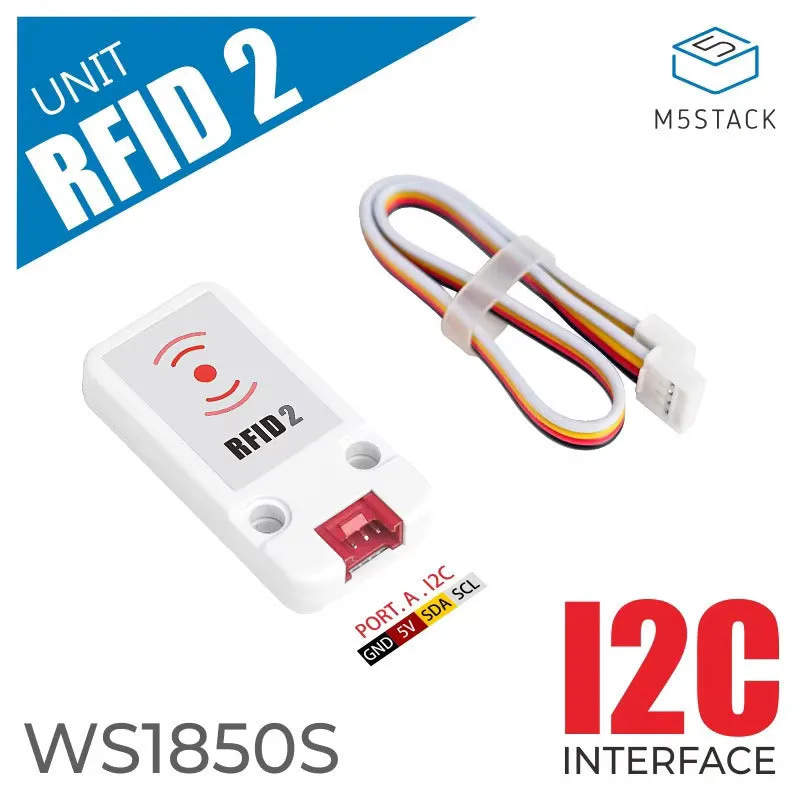
Integrating Radio Frequency Identification (RFID) functionality into Internet of Things (IoT) prototypes and educational electronics projects is streamlined with the M5Stack RFID2 sensor unit. This compact module operates at the common 13.56MHz frequency, supporting widely used protocols like ISO14443A, MIFARE, and NTAG. This makes it compatible with a vast array of standard RFID tags, cards, and stickers, allowing developers to add secure access control, inventory tracking, or interactive object identification to their designs. The unit connects easily to M5Stack controllers and other development boards via its I2C interface and supplied cable, and is programmable through familiar environments like Arduino IDE and UIFlow with Blockly or Python. Its small footprint and practical mounting options facilitate its use in a wide range of applications, from smart devices to automated systems.
Features and Construction

The M5Stack RFID2 is engineered as a dedicated sensor unit focused on reliable short-range identification. Its design prioritises integration with the M5Stack ecosystem and broader maker platforms, providing the necessary hardware and communication protocols in a ready-to-use package. The construction centres around the core RFID reader IC and supporting circuitry on a standard PCB.
Material and Build
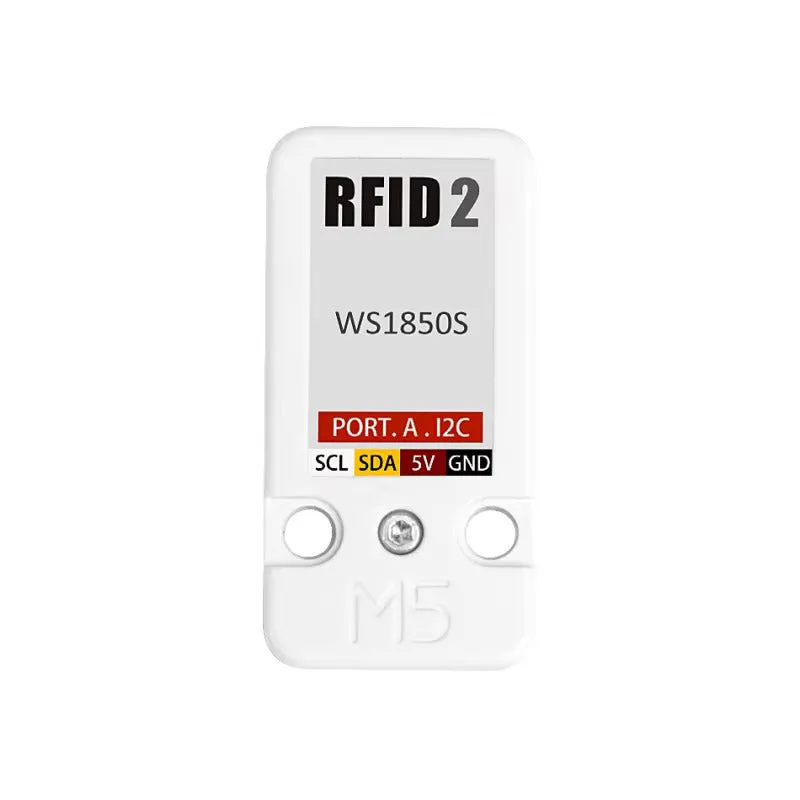
The module is built using standard electronic components mounted on a printed circuit board (PCB), typical for sensor modules in the M5Stack range. The unit’s primary functional element is the RFID transceiver IC, which handles the 13.56MHz signal generation, modulation, and data processing. The board includes the necessary oscillators, filtering, and power regulation to ensure stable operation. It terminates in a standard HY2.0-4P connector, allowing for a secure physical and electrical connection to a host controller via the included cable, eliminating the need for soldering during initial setup and testing.
Size and Practical Fit
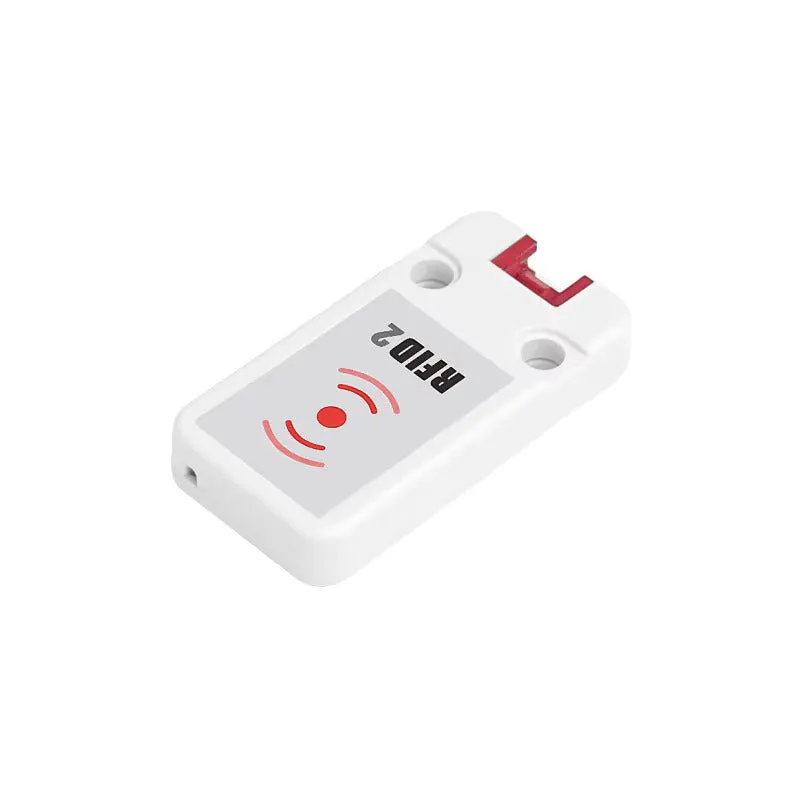
With dimensions of 7cm by 2cm, the RFID unit maintains a very compact profile, making it suitable for projects where space is limited. This small size does not compromise on features, as the board incorporates two mounting holes designed to be compatible with Lego brick studs. This provides a highly versatile and tool-free method for securing the module within custom enclosures or attaching it to other structural elements during prototyping. The design effectively balances a minimal footprint with practical mechanical integration options.
Uses and Placement
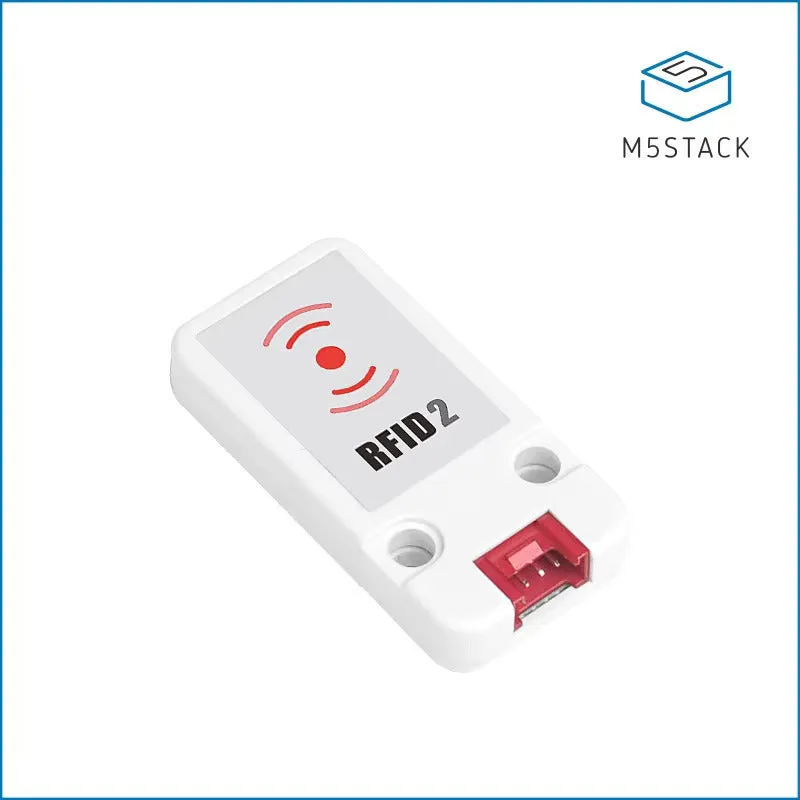
The core capability of reading 13.56MHz RFID tags opens up numerous applications in both prototyping and final products. Its compatibility with standard protocols means it can interact with existing commercial tags, while its programmability allows for customised data handling and system logic.
Event or Professional Use
In professional or event-based scenarios, this sensor can form the basis of access control systems, time and attendance loggers, or equipment checkout stations. Its support for MIFARE protocols allows it to work with many common access cards. The sensor’s specified reading distance of less than 20mm is ideal for applications requiring intentional presentation of a tag, enhancing security by preventing accidental or distant reads. The extended operating temperature range of -20°C to 85°C supports deployment in environments beyond typical indoor conditions, such as in logistics or outdoor kiosks.
Everyday Home Use
For DIY smart home enthusiasts and educators, the module is an excellent tool for learning about RFID technology and creating personalised projects. It can be used to build smart locks for drawers or cabinets, create interactive toys or games that trigger actions with specific tagged objects, or develop simple inventory systems for collections. The integration with UIFlow’s Blockly interface makes it accessible for beginners to create basic programs visually, while the Python and Arduino support offers depth for more advanced users to implement complex logic and data handling.
Benefits and Buying Value

Choosing this RFID reader sensor brings specific advantages centred on its ready-made integration, standards compliance, and developer-friendly design. It provides a tested and assembled solution compared to sourcing and assembling individual ICs and antennas.
Reuse and Low Maintenance
The unit is designed as a durable electronic component with no moving parts, suggesting a long functional lifespan under normal operating conditions. The stated data storage capability of over 10 years for supported tags indicates the technology’s inherent reliability. Maintenance is minimal, generally limited to ensuring clean connections and protecting the unit from physical damage or extreme environmental conditions beyond its rated specifications. Its generic protocol support means it can be reused across different projects as development needs evolve.
Why Choose This Product
This RFID2 unit stands out for its direct compatibility with the popular M5Stack ecosystem, reducing initial setup time. The inclusion of a connecting cable and the Lego-compatible mounting holes adds immediate practical value for prototyping. The technical specifications, such as the 64-byte buffer and high-speed I2C mode up to 3400 kbit/s, provide capable performance for handling data transactions efficiently in more demanding applications. It offers a balanced combination of essential RFID functionality, ease of integration, and a physical design suited for experimentation and product development.